Ceramics, Sèvres porcelain and circulation
Studying French and European ceramics through objects, archives and techniques, with attention to collecting, circulation and cultural exchange.
ARTS · KNOWLEDGE · HERITAGE · FRIENDSHIP
Working from objects, archives and craft practices, IRFCAP studies exchanges in art, cultural heritage and technical knowledge between China, France and the wider world.
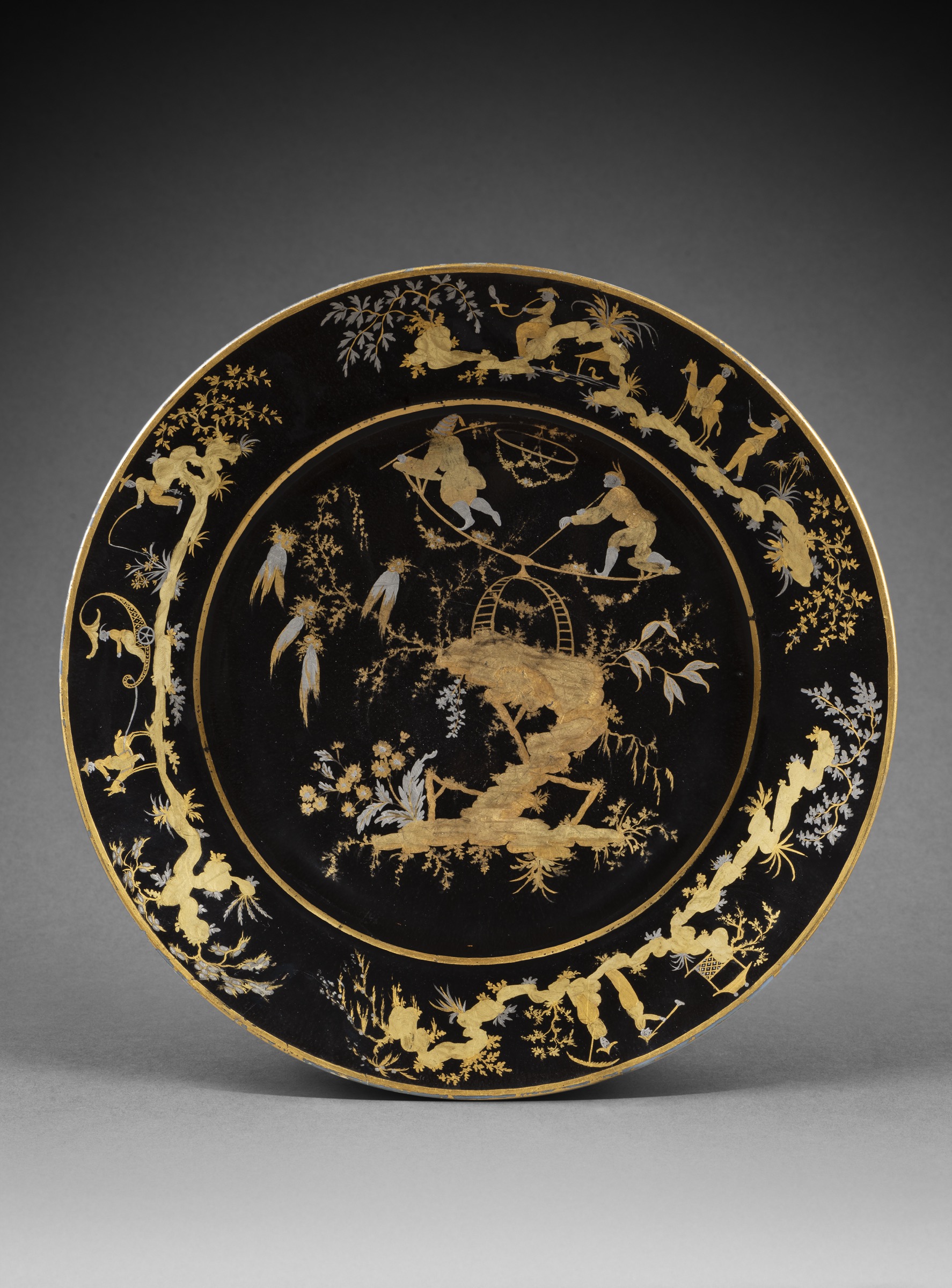
Black-ground Sèvres plate with gilt decoration, 1791
Founded in France in September 2026, IRFCAP is a non-profit research and cultural cooperation organisation. Its work spans art history, cultural heritage, the history of technology, material culture, traditional crafts and the history of collecting, bringing together research, archives, publications, exhibitions and institutional partnerships.
Understanding history through objects, knowledge through making, and cultural encounters through circulation.IRFCAP · THE INSTITUTE
02 / Research
Four connected areas shape the Institute’s current work.
Studying French and European ceramics through objects, archives and techniques, with attention to collecting, circulation and cultural exchange.
A comparison of Chinese inkstones and European inkstands and writing implements, including their materials, techniques and uses.
Documenting materials and making processes to study workshop knowledge, the transformation of gemstones into artistic media, and contemporary craft.
Studying cultural exchange through collections, archives and historical sources, while developing institutional partnerships.
03 / Current work
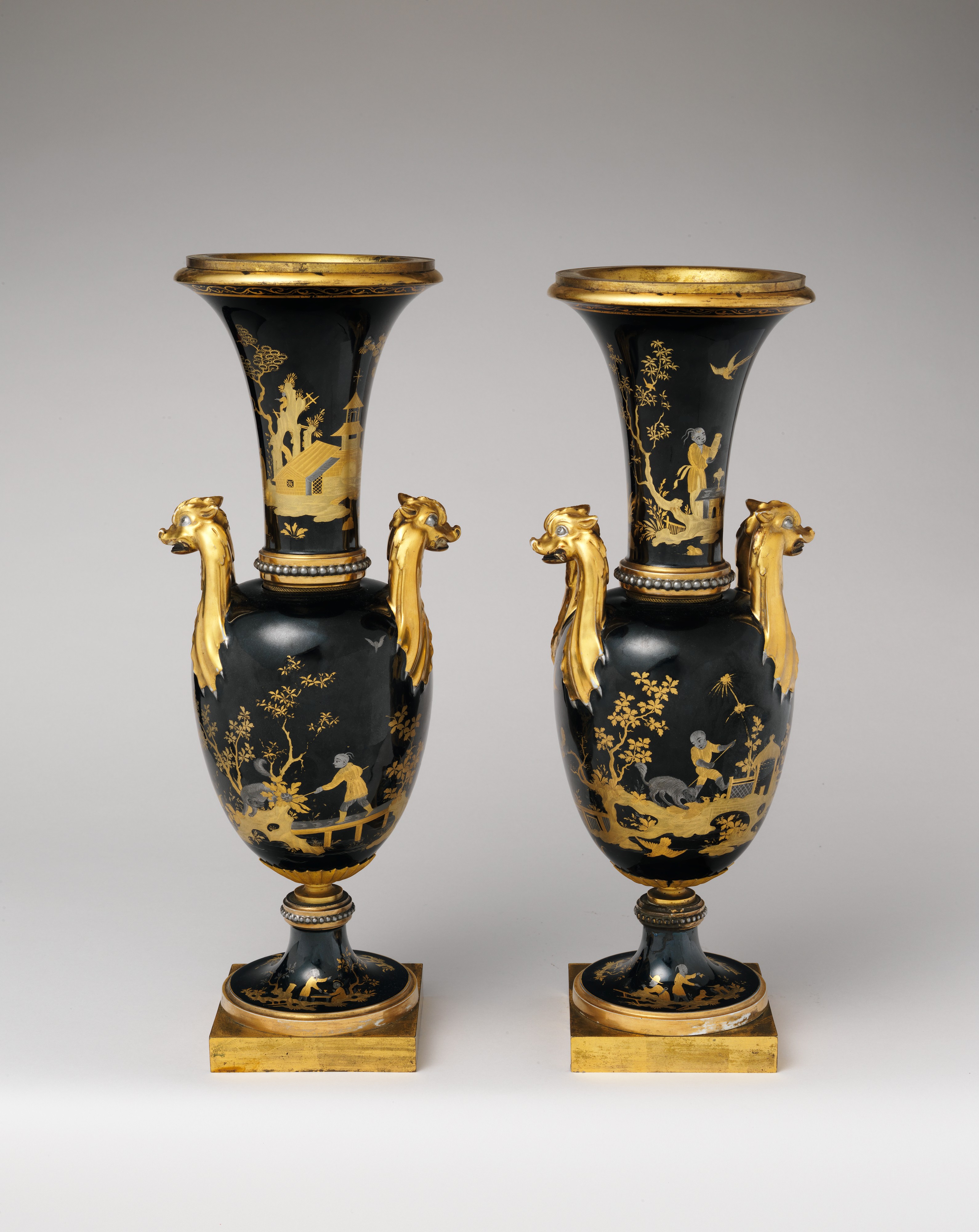
Pair of Sèvres vases chinois, 1791 · The Met · Public Domain
Tracing the collections, circulation and cultural exchange surrounding French ceramics across borders.
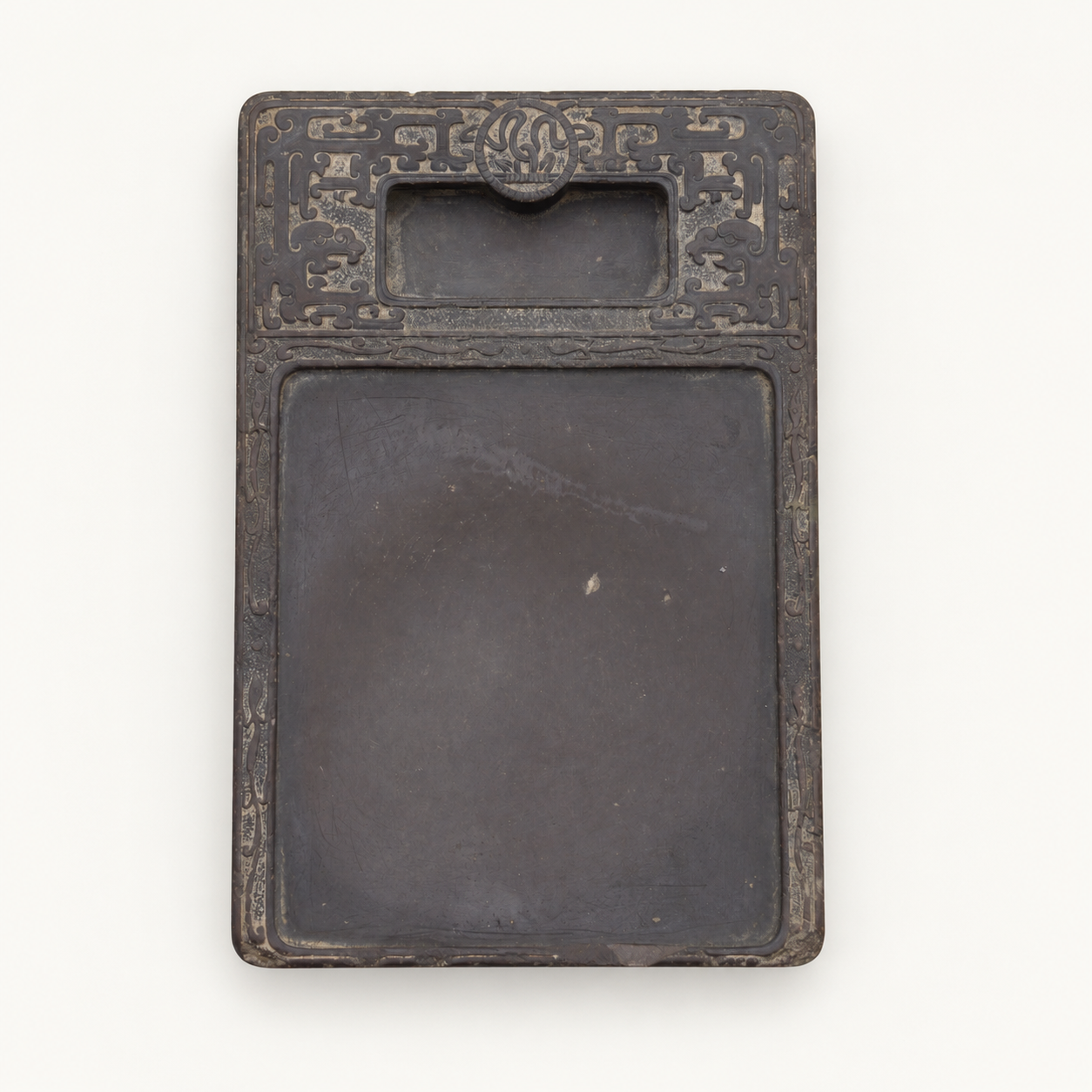
Comparing Chinese inkstones with French and European writing objects through their materials, making techniques and uses.
Important research partnerLiang Huanming Duan Inkstone Art Museum, Zhaoqing, China Explore project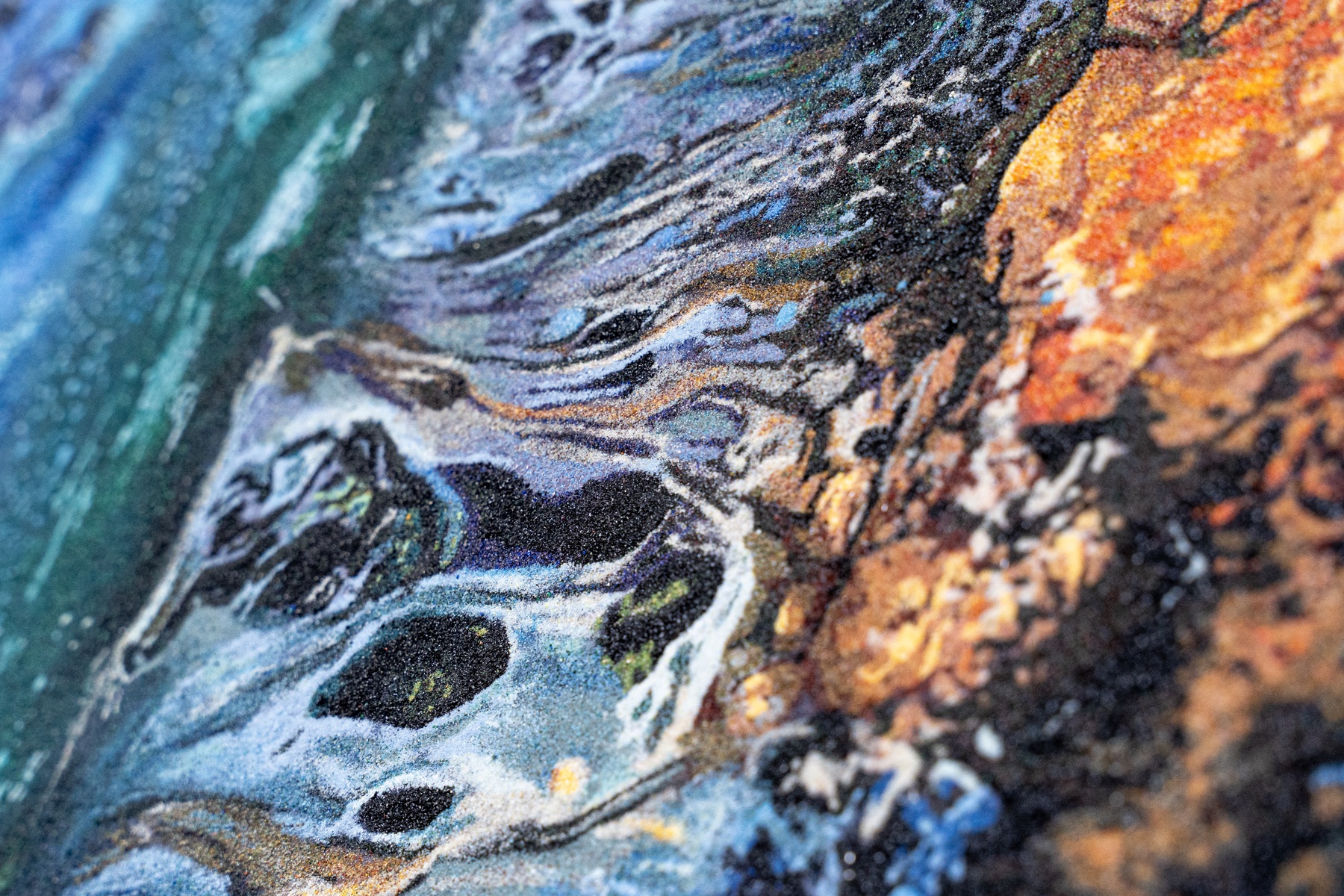
Cao Jun, Résonance pure (detail), 2025 · gemstone painting
A case study based on the Paris exhibition “Peinture de pierres, Empreinte de Chine”, held before the Institute was founded, and the transformation of minerals and gemstones into a pictorial medium.
04 / Method
Objects, archives and technical practice illuminate how art and knowledge are made and transmitted.
Materials, form and traces of use.
Documents and collection histories.
Processes and practitioner knowledge.
05 / Outcomes and practice
Selected publications, lectures and earlier cross-cultural practice underpinning the Institute’s current work.
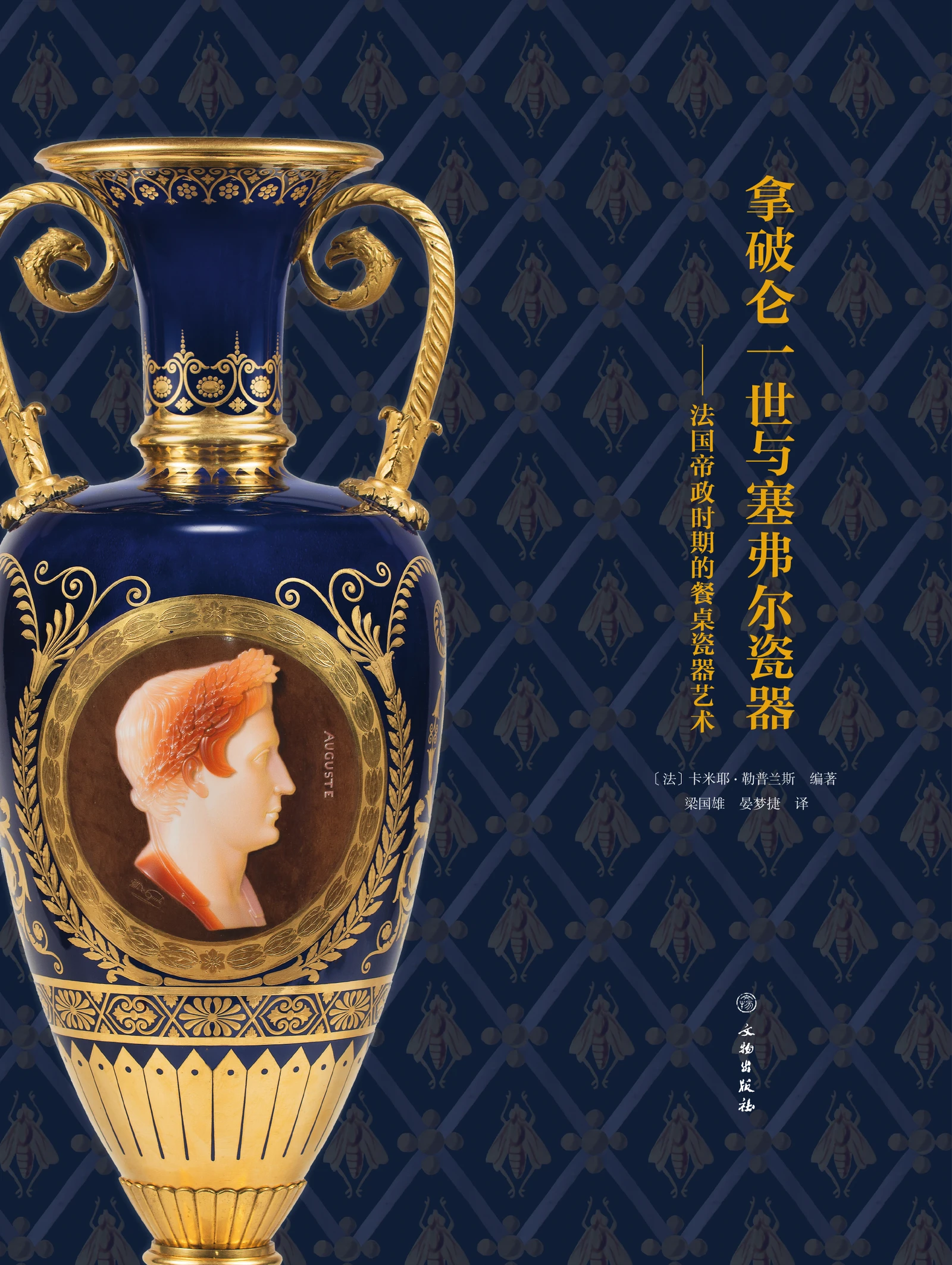
Based on the 2016 French edition, this revised and expanded Chinese edition examines the courtly and diplomatic uses, techniques, forms and decoration of Sèvres porcelain under the Consulate and First Empire. It is an important publication for research, translation and Franco-Chinese cultural mediation in ceramic history.
ISBN 978-7-5010-8843-0The founding team and its partners carried out these activities before the Institute was established. They inform its current research.
Paris displays, French-language articles, gallery interpretation and lectures formed an early basis for research on writing objects and the communication of craft knowledge.
Object documentation, research and exhibition planning focused on Duan inkstones, European inkstands and French ceramics. In 2024, this work led to the creation of a gallery devoted to Sèvres porcelain at the Liang Huanming Duan Inkstone Art Museum, accompanied by a Chinese-language collection catalogue. Together, they provide an object-based foundation for comparative research on writing cultures and decorative arts in China and France.
Ateliers Brugier gave a series of lectures and undertook study visits to museum collections in China, focusing on Coromandel lacquer screens, conservation, Chinese elements in French ceramics and Franco-Chinese heritage practices.
Thematic talks were presented in turn to the Société des Amis du musée national de Céramique – Sèvres and the Oriental Ceramic Society of France (SFECO). Drawing on objects from collections, materials and decorative motifs, they explored connections between Chinese writing culture, Asian lacquer arts and French ceramics.
A lecture series on Sèvres porcelain, Chinese elements and the aesthetics of black grounds took place at the Art Museum of Guangzhou Academy of Fine Arts and Shanghai Library. The two events were supported respectively by the Consulate General of France in Guangzhou and the Consulate General of France in Shanghai and formed part of the “Noces de porcelaine” programme marking the twentieth anniversary of Croisements (the Franco-Chinese Cultural Spring).
06 / Cooperation and professional exchange
The Institute connects research, collections and cultural practice through institutional cooperation, focused projects and professional dialogue.
The two parties intend to explore cooperation on exhibitions, joint research, the sharing of information relevant to collection development, and expert exchange.
The museum is an important research partner for the Institute’s work on the scholar’s studio and material cultures of writing. Its trilingual website is presented as a digital outcome of this cooperation.
Dialogue on gemstones, making processes, jewellery and the contemporary development of gemstone art.
07 / Contact and cooperation
IRFCAP welcomes exchanges with museums, researchers and heritage professionals on collections, archives, craft, publications and exhibitions.
contact@irfcap.fr France · Île-de-France